


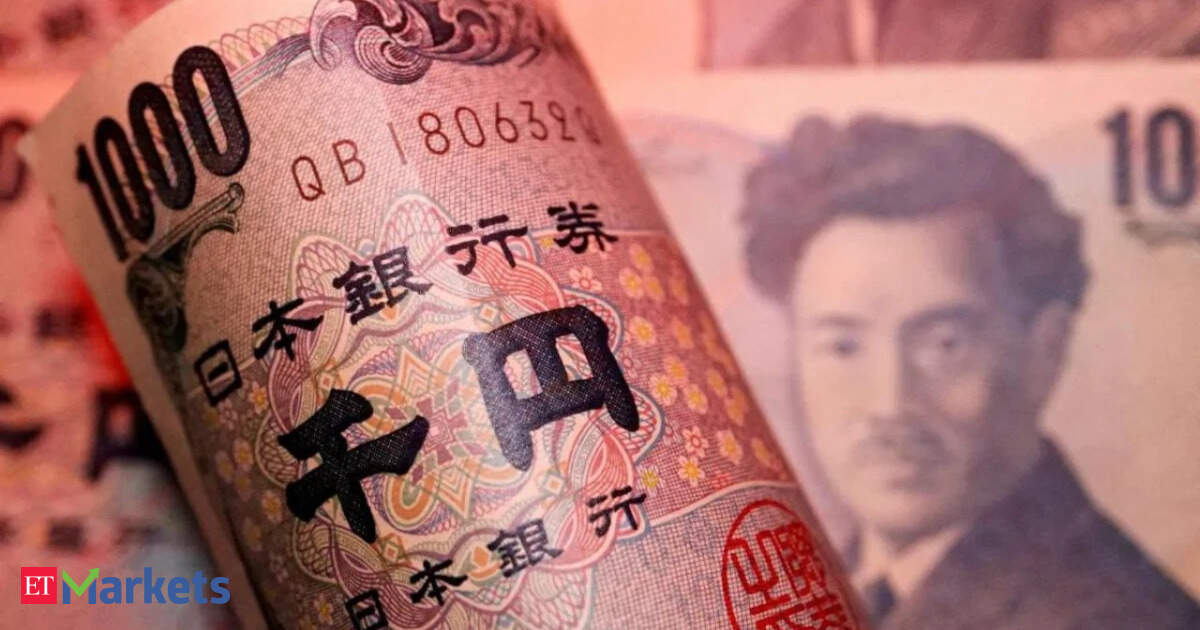
The yen was slightly firmer at 157.60 per U.S. dollar, after easing about 0.4% from Monday’s high of 155.20 in the previous session. It remained well above recent 40-year lows of around 164 per dollar.
The U.S. will do “whatever it takes” to support Japan’s efforts to stabilize the yen, Treasury Secretary Scott Bessent said on Tuesday, after last week’s joint intervention by Washington and Tokyo to buy the Japanese yen hit bearish traders.
He also told public broadcaster NHK that he was sure Bank of Japan Governor Kazuo Ueda will “do what is best” for the country’s economy. The comments followed a series of remarks from Bessent calling for higher Japanese interest rates, heightening expectations that the BOJ could raise rates at its next policy meeting on September 17 and 18.
“With U.S. involvement adding credibility to the intervention, and with warnings that further coordinated action remains possible – the move has given authorities an effective tool to buy time while they wait for fundamental factors to turn more positive,” Tony Sycamore, market analyst at IG wrote in a note.
OIL RETREAT DENTS DOLLAR
The U.S. dollar index, which tracks the currency against six major peers, was little changed at 99.85, struggling to find direction after hitting a six-week low on Monday.
The euro was steady at $1.1533 and sterling traded flat at $1.3458.The kiwi dollar was roughly down 0.3% at $0.5878 after New Zealand’s unemployment climbed to a decade-high of 5.6% in the second quarter. The Aussie was flat at $0.7053.
Oil prices extended their falls, with Brent crude futures down 0.3% in early trade on Wednesday after tumbling 5% in the previous session, as signs of a possible diplomatic off-ramp to the Iran conflict eased fears of supply disruptions and prompted traders to unwind risk premiums.
Comments from Qatari and U.S. officials fuelled hopes for a negotiated resolution, weighing on crude benchmarks. Qatar said on Tuesday mediators were making progress in efforts to end the war, raising hopes oil flows through the Strait of Hormuz could improve.
Interest rate-sensitive two-year U.S. Treasury yields hovered near two-week lows as easing oil prices prompted traders to reprice for lower odds of a Federal Reserve interest rate hike in September.
Attention will increasingly shift to the U.S. labour market ahead of Friday’s non-farm payrolls figures as markets weigh the near-term outlook for Fed policy. The odds of a hike at that September meeting have receded to a 60% chance from 75% a week ago, according to CME Fedwatch.
