


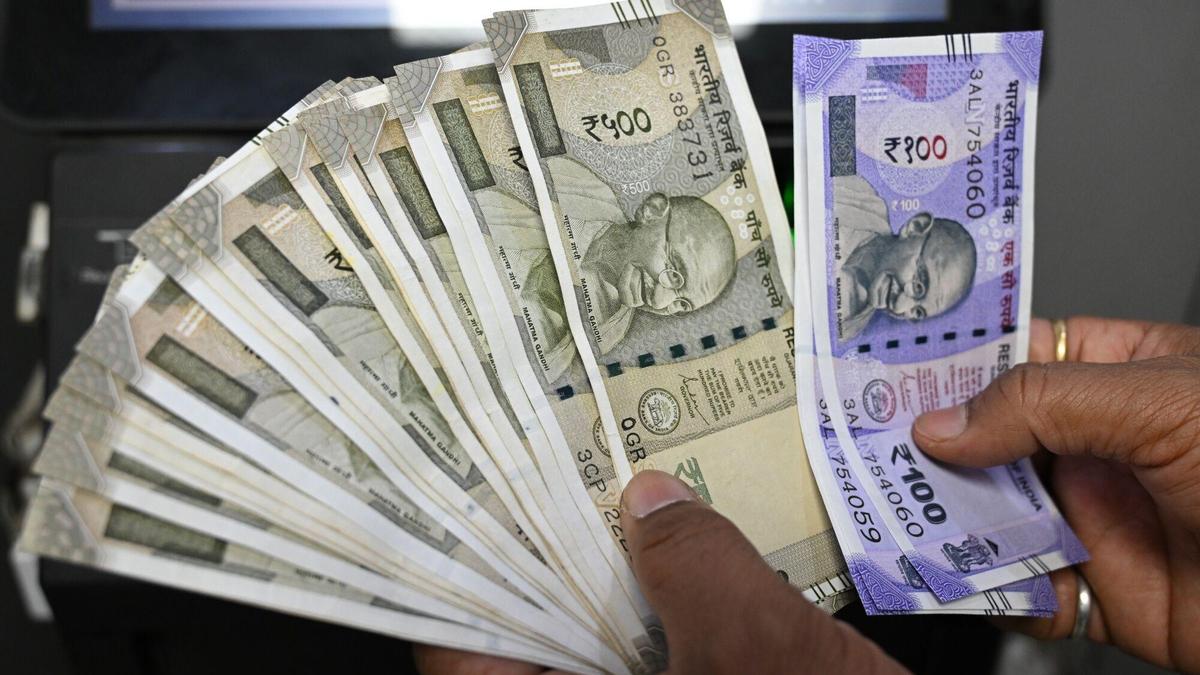
The Indian rupee ended
modestly higher on Wednesday, aided by a weaker dollar and lower
oil prices as investors assessed the impact of US midterm
election results, while a Reuters poll showed expectations for
depreciation of South Asian unit remained intact.
The rupee closed at 94.64 per dollar, up slightly
from its close at 94.74 in the previous session.
Democrats captured majorities in both the Senate and House
on Wednesday, scoring sweeping victories that reached deep into
Republican strongholds as tens of millions of voters delivered a
scathing rebuke to President Donald Trump.
The dollar index, which measures the greenback
against a basket of six major peers, was down 0.4% at 101.3 with
currencies like the euro, sterling and Swiss franc leading
gains.
The rupee also touched a two-week high in early trading
before trimming gains as importer and interbank dollar bids
gathered steam around the 94.50 mark.
“It seems like selling USD/INR is bit of a risky endeavour
at the moment since dips have very limited staying power at
these levels,” a trader at a state-run lender said.
A majority of analysts polled by Reuters expect the rupee
give up its recent gains and slip again over the next few months
as a volatile external environment continues to pressure the
currency.
While a series of policy measures rolled out by the Reserve
Bank of India since the Iran war began has supported the
currency, elevated oil prices and weak portfolio flows remain
key risks.
“The RBI has done what a central bank can do. It has
intervened heavily, restricted currency markets, raised around
$143 billion through a deposit and borrowing scheme and raised
interest rates. These measures have avoided a disorderly
collapse and bought time,” Natixis said in a note.
“None of them addresses the causes of the weakness. A
central bank cannot create export capacity, manufacturing
investment or energy independence. Only structural reform
can,” the note added.
Published on November 4, 2026
