


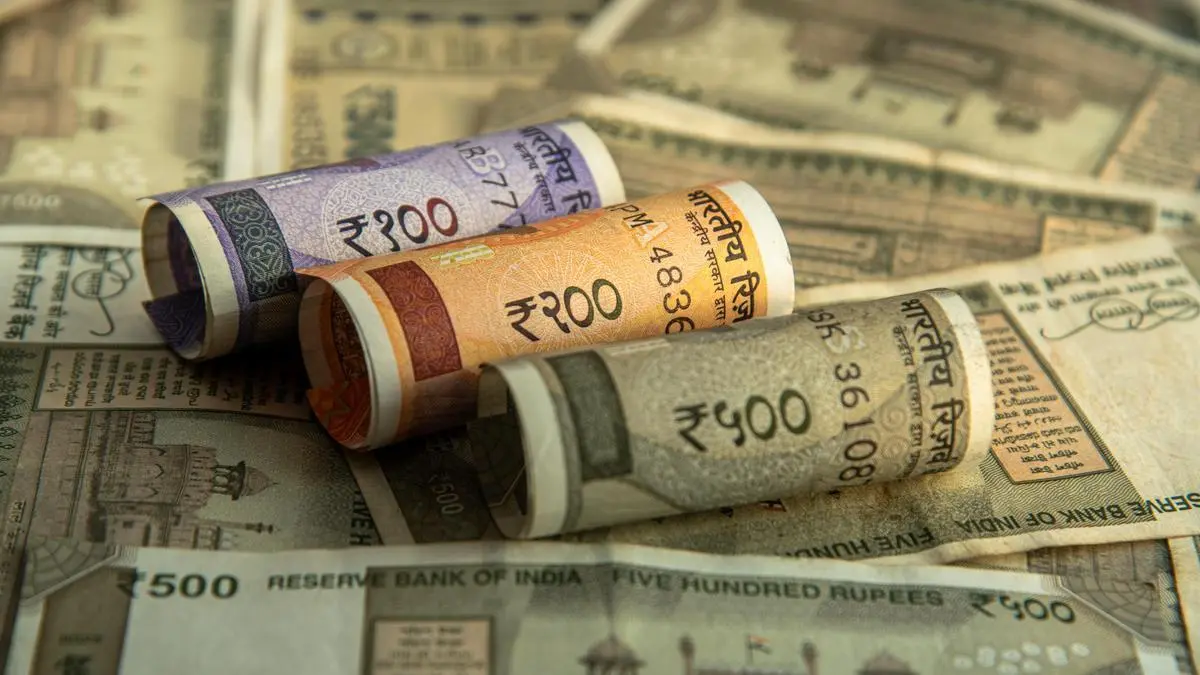
The Indian rupee closed nearly unchanged on Tuesday after hitting a two-month low
earlier in the session as crude oil prices continued to dictate
the currency’s momentum while likely central bank intervention
limited weakness.
The rupee had declined 0.2% to 96.1475 in early
trading but trimmed losses to close nearly flat at 95.98 as
Brent oil prices turned lower on the day, after touching a peak
of nearly $108 per barrel.
India imports nearly 90% of its crude requirements, making
the rupee one of the world’s most vulnerable currencies to the
Middle East oil shock.
Dollar sales by state-run banks, most likely on behalf of
the Reserve Bank of India, helped limit the local currency’s
fall early in the day and sentiment improved when crude prices
cooled, traders said.
The focus is squarely on oil and a break below $100 per
barrel would take the rupee to 95.40-50 per dollar while current
levels should keep it closer to 96, a trader at a foreign bank
said.
US and Iranian officials spoke separately with mediators on
Monday as part of a renewed effort to end seven months of war,
according to officials of both countries. Over the weekend, US
President Donald Trump had said that he had rejected a peace
proposal from Iran.
The uncertainty has kept oil prices and US Treasury yields
elevated, boosting the dollar. On the day, the US 10-year
Treasury yield was a touch higher at 5.246% while the dollar
index ticked up 0.3% to 101.5.
“We need to see some stability in bonds for the dollar to
correct lower. That relies heavily on oil, and the latest news
isn’t encouraging. Upside risks are rising again for the
greenback,” analysts at ING said in a note.
Investor attention will also be on key US economic data this
week, including job openings data due later on Tuesday, in
addition to remarks from a number of Fed policymakers to gauge
the future trajectory of interest rates in the world’s largest
economy.
Published on September 29, 2026
